New Avocado Research Highlights Real-World Benefits for Cardiometabolic Health
In one 26-week clinical study of 786 U.S. adults with elevated abdominal fat, participants who ate one avocado each day had 49.1 nmol/L fewer LDL particles in their blood compared with participants who continued their usual diet. LDL particles can enter artery walls and contribute to plaque formation. Based on the observed change, researchers estimated that daily avocado consumption could potentially reduce heart disease risk by approximately 4%. This finding adds an important layer to previous research because the number of LDL particles may provide additional information about cardiovascular risk beyond LDL cholesterol alone.
A second study, co-funded by the Hass Avocado Board and the National Mango Board, evaluated 82 adults with prediabetes. After eight weeks, participants who added one Hass avocado and one cup of mango to their daily diets experienced improvements in markers of cardiovascular health, including better vascular function and lower diastolic blood pressure. These results suggest that incorporating nutrient-dense fruits into an everyday eating pattern may help support healthy blood vessels and blood pressure among people already at increased metabolic risk.
Research also showed that avocado consumption may improve the overall quality of the diet without requiring extensive nutrition counseling. In a study of 961 adults with larger waist sizes, eating one large avocado daily for six months lowered total dietary glycemic load compared with a control group. Glycemic load reflects how the amount and type of carbohydrate consumed may affect blood glucose. Lowering dietary glycemic load may be relevant to the prevention and management of several chronic diseases.
Finally, a 26-week study of 1,008 adults with abdominal obesity provided new insight into how the body may process fats from avocado. Participants who ate one large avocado daily had higher blood levels of monounsaturated fatty acids. Among the control group, fatty acid patterns were associated with unfavorable changes in abdominal fat, blood lipids, glucose, insulin, and C-reactive protein, a marker of inflammation. These negative associations were not observed in the avocado group, despite broadly similar overall fatty acid profiles.
Together, these studies help translate avocado nutrition research into meaningful, real-world outcomes. The findings suggest that adding avocado to a person’s usual diet may support healthier blood lipids, vascular function, blood pressure, dietary glycemic load, and cardiometabolic health. They also reinforce an important practical message: measurable health improvements may be possible through a simple, familiar food that consumers can incorporate into meals they already enjoy.
You May Also Like These Happenings
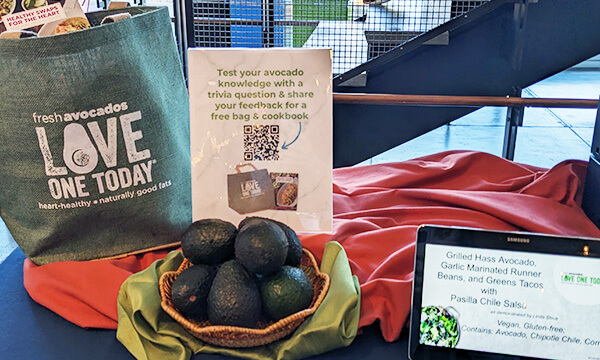
Fresh Avocados – Love One Today® Connects with Hundreds of Health Professionals Advocating for Healthy Food and Lifestyle Changes
Annual conference aims to give health professionals the tools to discuss food choices that are both healthy and delicious with their patients, with support from Love One Today.
Love One Today®, the One-Stop Avocado Hub for Health Professionals and Consumers
HAB is dedicated to understanding avocados’ health benefits and industry trends to better market to an increasingly nutrition-focused audience. Our commitment to nutrition research continues to grow and Love One Today® is the perfect vehicle to bring findings to life and drive demand for avocados.
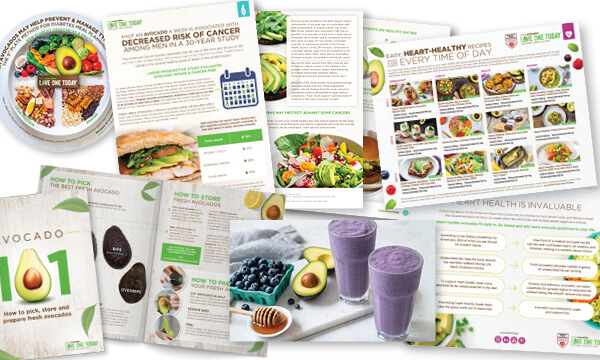
Fresh Avocados – Love One Today® Celebrates a Decade of Building Demand Through Strategic Marketing Programs
Driving public trust in Hass avocados for the last 10 years, HAB’s Love One Today nutrition marketing program continues to elevate positive awareness of the health benefits of avocados and build demand for the entire global industry.